
Deadlock Hero Guide for Beginners: Choose, Play, and Win
Updated On: November 12, 2025 by  Aaron Connolly
Fundamentals of Deadlock for New Players
Deadlock mashes up strategic team battles from MOBAs with fast-paced shooting, and honestly, it feels like Valve’s own spin on competitive gaming. If you’re new, you’ll want to grasp both the tactical side of lane control and the aiming skills that make every match a real test.
Understanding Hero Shooter and MOBA Elements
Deadlock blends two big genres into one. The MOBA side leans on strategy and team coordination.
The hero shooter side? That’s where your aim and reflexes come in.
MOBA Elements You’ll Recognize:
- Lanes with minions running down them
- Heroes who level up and grow stronger
- Items that change up your abilities
- Towers that guard each team’s base
Hero Shooter Mechanics:
- Third-person shooting with unique weapons
- You have to aim your shots for real damage
- Movement tricks like dashes and teleports
- Real-time action—no waiting around for turns
You can’t just click on enemies and let the game auto-attack for you. If you want to land hits, you have to aim.
Abilities still need decent positioning and timing. Some heroes—like Bebop—have laser weapons that make things a bit easier if you’re just starting out.
Core Objectives and Map Layout
To win, you have to destroy the enemy team’s core. But you can’t just charge in and expect it to work.
Primary Objectives:
- Destroy enemy guardians in each lane
- Push with your minions to move forward
- Control map areas for better team fights
- Farm souls from minions and enemies
The map’s got multiple lanes connecting both bases. Each one has towers blocking the way.
Quick tip: Pick one lane to focus on early instead of spreading yourself too thin.
You’ll pick up souls by beating minions and enemies. These souls let you buy items that boost your hero.
Heads up: Don’t wander alone into enemy territory. Teams who stick together usually win fights.
Map control gets more important as the game goes on. Teams that claim more ground can move safely and set up better attacks.
Team Play Basics for Absolute Beginners
Deadlock really rewards teams who work together. Sure, individual skill helps, but teamwork wins more matches.
Essential Team Roles:
- Frontline fighters who lead fights and soak damage
- Damage dealers who finish off key enemies
- Support players who heal and help out
You don’t have to jump into voice chat right away. Just pay attention to where your team is.
Basic Team Fighting Tips:
- Stick near at least one teammate in fights
- Focus your attacks on the same enemy
- Watch out for low-health teammates and help them
- Don’t chase enemies too far from your squad
Loads of new players try advanced strategies too early. Pick one hero and get comfortable before you get fancy.
Teams that group up for objectives usually beat teams with flashy solo plays. Hang with your squad and you’ll win more often than not.
Best Beginner Heroes in Deadlock
These four heroes are great starting points for new players. They each teach you something different about Deadlock’s mix of shooting and strategy, but don’t punish you too hard for mistakes.
Seven: Reliable and Powerful
Seven’s one of the easiest heroes to pick up in Deadlock. His damage skills—Lightning Ball and Static Charge—are simple and effective.
Key Stats:
- Health: 550
- DPS: 70.38
- Role: Area damage dealer
Seven helps you learn good positioning. His powers work best if you hang back a bit from enemies.
You can throw Lightning Balls to poke or farm, and Static Charge helps you control space.
Best Practices:
- Stay at a safe distance from enemies
- Use Lightning Ball to farm and harass
- Save your Storm Cloud ultimate for team fights
- Try to hit more than one enemy with your area skills
Seven doesn’t have much mobility. If enemies get close, escaping gets tough.
Stick near cover and always plan an escape route.
Kelvin: Support and Tank for Novices
Kelvin’s a great pick if you want to try tanking or supporting. With 600 health and solid healing, he’s pretty forgiving for new players.
Core Abilities:
- Arctic Beam: Damages and slows
- Ice Path: Helps your team move in or out
- Healing: Keeps teammates alive
Kelvin can tank damage and heal at the same time. His Ice Path makes team coordination easier.
Playing Kelvin Effectively:
- Slow down fleeing enemies with Arctic Beam
- Use Ice Path for team movement
- Put yourself between danger and your squishier teammates
- Focus on healing and protecting, not chasing kills
Kelvin can’t do much to long-range heroes. Learn when to fight and when to back up.
Haze: FPS-Friendly Damage Dealer
If you’re coming from FPS games, Haze feels familiar. Her Smoke Bomb and Sleep Dagger reward players for good timing and positioning.
Stats and Role:
- Health: 500
- DPS: 53
- Specialty: Picking off isolated targets
Haze shines when you catch enemies alone. Her Bullet Dance ultimate can wipe out enemy teams if you use it at the right time.
Haze Strategy:
- Hunt for enemies away from their team
- Set up kills with Sleep Dagger
- Use Smoke Bomb to escape
- Drop Bullet Dance when enemies are bunched up
You’ll need solid game sense to do well with Haze. If you don’t get early kills, late-game fights get tough.
Play safe and don’t overcommit.
Abrams: Entry-Level Melee Hero
Abrams is a good choice if you want to learn melee combat. He’s got high survivability and easy-to-use skills.
Combat Focus:
- Health: 600
- DPS: 63
- Strengths: Stays alive and moves well
Siphon Life keeps you healthy in fights, and Shoulder Charge helps you close gaps. Seismic Impact can turn a team fight if you time it right.
Playing Abrams:
- Use Shoulder Charge to reach ranged enemies
- Activate Siphon Life before fighting
- Fight in tight spots where enemies can’t run easily
- Target enemy damage dealers in big fights
Long-range heroes can be a pain for Abrams. Work on your map awareness and use cover.
Practice your timing so you don’t get picked off before you can close the gap.
Starter-Friendly Support and Control Heroes
Support and control heroes give new players a way to help the team without needing perfect aim. These heroes focus on healing teammates, controlling key areas, and creating advantages with utility instead of just raw damage.
Dynamo: Healing and Utility Essentials
Dynamo is Deadlock’s go-to healer. If you want to keep your team up in fights, he’s a great choice.
Core Abilities and Usage:
- Kinetic Pulse heals allies nearby and damages enemies
- Quantum Entanglement links to allies and shares healing
- Rejuvenating Aurora drops healing zones for long fights
- Singularity (ultimate) pulls enemies together for big control
Laning Strategy: Stay alive and don’t force trades. Heal yourself with Kinetic Pulse if you take damage.
Your job is to farm safely and prep for team fights.
Team Fight Positioning: Keep behind your damage dealers. Heal low-health allies first.
Save your ultimate for when enemies group up—it sets up easy kills for your team.
Quick tip: Try to hit both friends and foes with Kinetic Pulse. That’s what makes Dynamo so useful.
McGinnis: Map Control with Turrets
McGinnis turns map control into her own game with turrets. She’s great for players who like strategy more than aiming—her turrets do most of the work.
Turret Fundamentals: Drop turrets near chokepoints and objectives. They shoot enemies automatically, so you don’t have to micromanage.
Turrets hang around for a while and you can upgrade them with items.
Essential Turret Locations:
- In bushes to protect you while farming
- Near objectives before fights
- Around your team’s structures
- On flanking paths to catch sneaky enemies
Combat Approach: McGinnis is better in long fights than quick scraps. Her weapon fires fast, making it easy to last-hit minions.
Use her medicinal specter to heal and boost your fire rate in drawn-out fights.
Heads up: Don’t put all your turrets in one place. Spread them out so enemies can’t wipe them all at once.
Wraith: Introduction to Splitpushing
Wraith makes learning splitpushing pretty painless. She’s fast and clears waves easily, so you can pressure different lanes at once.
Splitpushing Basics: Farm a lane while your team groups elsewhere. If enemies come for you, teleport out.
You’ll force the enemy to pick between stopping you or fighting your team.
Key Abilities for Splitpushing:
- Card Trick for quick wave clear
- Full Auto melts structures
- Telekinesis gets you in or out fast
- Project Mind (ultimate) lets you join fights from anywhere
Timing Your Rotations: Push your lane when your team’s fighting for an objective. This splits the enemy’s focus.
Use your mobility to swap lanes when things get dangerous.
Early Game Focus: Wraith’s gun is quick, so last-hitting is simple. Farm up and buy your main items before you start splitpushing hard.
Fundamental Hero Roles and Team Compositions
Winning in Deadlock really comes down to how well your team’s heroes work together. You need damage dealers to take out enemies, tanks to soak up hits, and supports to keep everyone fighting through the chaos.
Damage Dealers and Crowd Control
Damage dealers really drive your team’s offense. Heroes like Seven and Infernus can wipe out enemy heroes and clear objectives fast.
High-damage heroes go after priority targets. Seven uses Lightning Ball and Storm Cloud to shred tanks and lock down big zones.
Haze brings wild single-target damage with her ultimate auto-fire. It’s pretty satisfying to see her melt someone in seconds.
Crowd control abilities keep enemies from running or diving in. Seven’s Storm Cloud slows down whole teams. Kelvin hurls his Frost Grenade and just freezes people in place.
Most damage dealers have pretty fragile health pools. They need tanks to cover them and supports to keep them alive, or they just get deleted.
The top damage dealers can farm well. Seven’s Lightning Ball clears trooper waves in a snap, giving him souls for those game-changing items.
This farming lets damage heroes snowball into late-game monsters.
Tanks and Bruisers Explained
Tanks open up space for their teams and soak up hits during big fights. Abrams and Kelvin offer two solid tank styles for anyone starting out.
Pure tanks like Abrams just won’t die. He drains health from enemies with Siphon Life, and Infernal Resilience heals him over time. Stack healing items, and Abrams turns into a brick wall.
Bruiser tanks like Kelvin hit hard and help out with utility. His Arctic Beam freezes enemies, and his ultimate drops healing zones for allies. That mix of threat and support fits aggressive teams.
Space control makes tanks successful. McGinnis throws down turrets and walls to lock down map areas. Her wall can trap enemies or block their escape, which is always fun to pull off.
Tanks need smart item choices to survive. Healing, resistances, and crowd control tools decide if you live through fights or just feed souls to the other team.
Support and Healing Basics
Support heroes keep everyone alive and bring utility that often wins fights. Kelvin and McGinnis both support, but in totally different ways.
Direct healing comes from abilities like McGinnis’s Medicinal Spectre. Drop that spirit in a fight and it keeps allies topped up around objectives.
Utility-based support adds crowd control and better positioning. Kelvin’s Ice Trail lets him scout ahead, and his dome ultimate gives teammates a safe spot to heal up.
Team buffs make everyone stronger. Wraith’s Full Auto boosts fire rate for nearby allies, turning regular damage dealers into absolute threats.
Support players should focus on positioning over chasing damage. Stay safe, watch for flanks, and protect your damage dealers instead of going for flashy kills.
Essential Abilities and Mechanics for Beginners
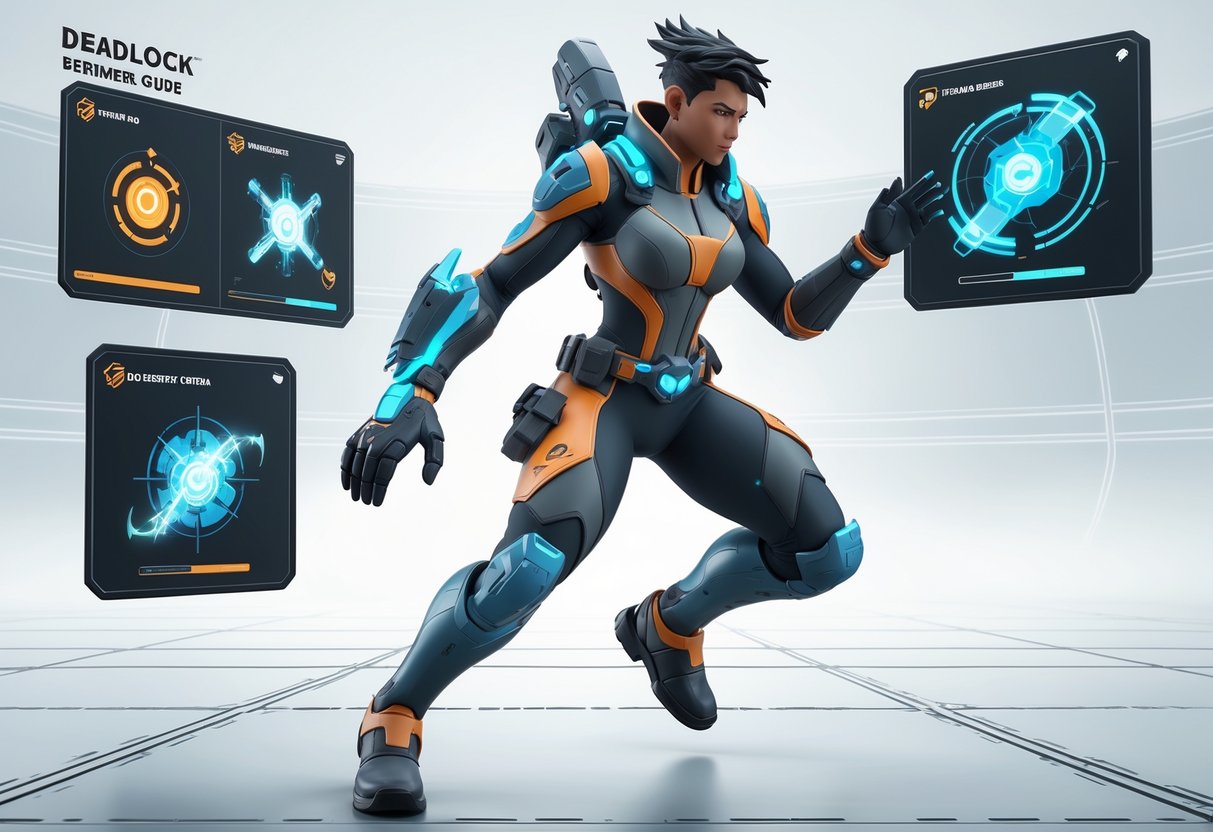
Getting the hang of Deadlock’s core abilities means learning three big things: ultimate abilities that can decide fights, how your passive and active skills work together, and some basic movement techniques. These basics will keep you alive longer and actually helping your team.
Ultimate Abilities Made Simple
Every Deadlock hero has an ultimate that really shapes their team fight role. These skills take a while to come off cooldown, but they can flip a fight on its head.
Ultimates usually fit into three types:
- Damage dealers – Seven’s Static Charge blasts enemies with lightning
- Control abilities – Haze’s Bullet Dance or Pocket’s Affliction
- Support ultimates – Heals or buffs for the team
You unlock ultimates around level 5 to 7. The icon lights up when it’s ready—can’t miss it.
Quick tips for ultimates:
Hold your ultimate for team fights, not just random 1v1s. You get a lot more value when you hit several enemies at once.
Check your position before you pop it. Some ultimates leave you exposed during the cast.
Let your team know before you go all-in with an ultimate. Chaining them together is how you get those big multi-kills.
Passive and Active Skill Synergy
Knowing how your abilities play off each other is what separates good players from the rest. Most heroes have passive abilities that make their actives even better.
Passive abilities give you steady boosts:
- More damage after kills (like Haze’s Fixation)
- Speed boosts when you land abilities
- Extra defense during fights
Active abilities are your main tools. Stuff like Viscous’s Puddle Punch or Kelvin’s Ice Path all need good timing and smart positioning.
Making combos work:
Start with movement skills to get in or out. Use your damage abilities when you have a clear shot.
Lots of heroes can chain abilities. If you slow someone before a skill shot, it’s way easier to hit.
Keep an eye on your cooldowns. If you burn your escapes, you’re an easy target.
Pro tip: Practice combos in sandbox mode before you dive into real matches.
Movement: Dash, Slide, and Stealth Explained
Movement in Deadlock feels way different from classic MOBAs. Every hero uses stamina for moves, but some have neat tricks.
Basic movement stuff:
- Double jump uses 1 stamina bar
- Dash also costs 1 bar (ground or air)
- Dash jump is 2 bars and covers a ton of ground
Sliding doesn’t eat stamina and lets you shoot without burning ammo. Just tap Ctrl after dashing or on a slope.
Unique movement by hero:
Some heroes get special moves. Lash can Ground Strike from up high, and Vindicta gets a short burst of flight.
Stealth is another tool. Haze’s Smoke Bomb or Shiv’s Serrated Knives give you a few seconds of invisibility—great for escaping or sneaking up.
Stamina bars differ:
- Most heroes start with 3
- McGinnis and Vindicta have 2
- Ivy gets 4
Heads up: Don’t burn all your stamina at the start of a fight. You’ll need it to bail if things go sideways.
Nail the basic moves first. Then try out fast-falling or trickier dash jumps as you get better.
Crucial Deadlock Strategies for New Heroes

Learning the six new testing heroes means you need to nail the basics. Smart farming keeps you in the game, objective control wins matches, and the right items help you survive those early scraps.
Farming Lanes and Gaining Resources
Efficient farming is what keeps you from falling behind. Focus on last-hitting minions—don’t just spam attacks into the wave.
Lane Control 101:
- Only hit minions when they’re about to die
- Use abilities sparingly so you don’t shove the lane
- Farm jungle camps between waves for bonus souls
You get souls for every last-hit on a minion. Miss those, and you’ll be broke when it’s time to buy items.
Neutral Farming:
- Clear small jungle camps near your lane
- Take medium camps when your lane is pushed out
- Always bring healing if you’re farming alone
Calico and Fathom do well in the jungle. Their mobility makes camp clears a breeze.
Managing Resources:
- Buy healing rite early to stay in lane
- Use catalyst on your main abilities
- Don’t buy random items that don’t fit your plan
Securing and Defending Objectives
Objectives win games—kills don’t. Focus on towers, shrines, and map control instead of just chasing enemies.
Tower Tips:
- Push when enemies are missing
- Group up for tower pushes
- Defend your towers before going for theirs
A lot of new players chase kills and forget about objectives. That almost always backfires.
Shrine Control:
- Contest shrines around 10 minutes in
- Bring healing for big shrine fights
- Use afterburn to get out if things go south
Map Awareness:
- Glance at the minimap every few seconds
- Ping missing enemies in chat
- Rotate to help teammates under attack
Wrecker and Magician are great at objective fights. Their kits can swing those crucial team fights.
Push Timing:
- Push after winning a fight
- Take objectives while enemies are dead
- Back out if you’re low on health or cooldowns
Effective Itemisation for Early Success
Picking the right items keeps you alive and useful. Start with survival, then build up your damage.
Must-have Early Items:
- Healing Rite – Lane sustain
- Extra Regen – Passive healing
- Endurance – More stamina to escape
Don’t rush expensive stuff when cheap items fix your problems. Staying alive early is more important than big damage.
Role-Based Builds:
- Weapon: Start with damage, add defense
- Spirit: Go ability power, then cooldowns
- Vitality: Health first, then damage
New heroes get different build options. Holliday can go weapon or spirit, depending on your style.
Adapt to the Match:
- Grab armor vs weapon-heavy teams
- Get spirit resist if abilities are the problem
- Buy mobility if you keep getting caught
When to Shop:
- Head back with 3000+ souls if you can
- Don’t sit on souls forever
- Upgrade weapon damage early for easier farming
Beginner Ability Spotlight: Seven and Haze
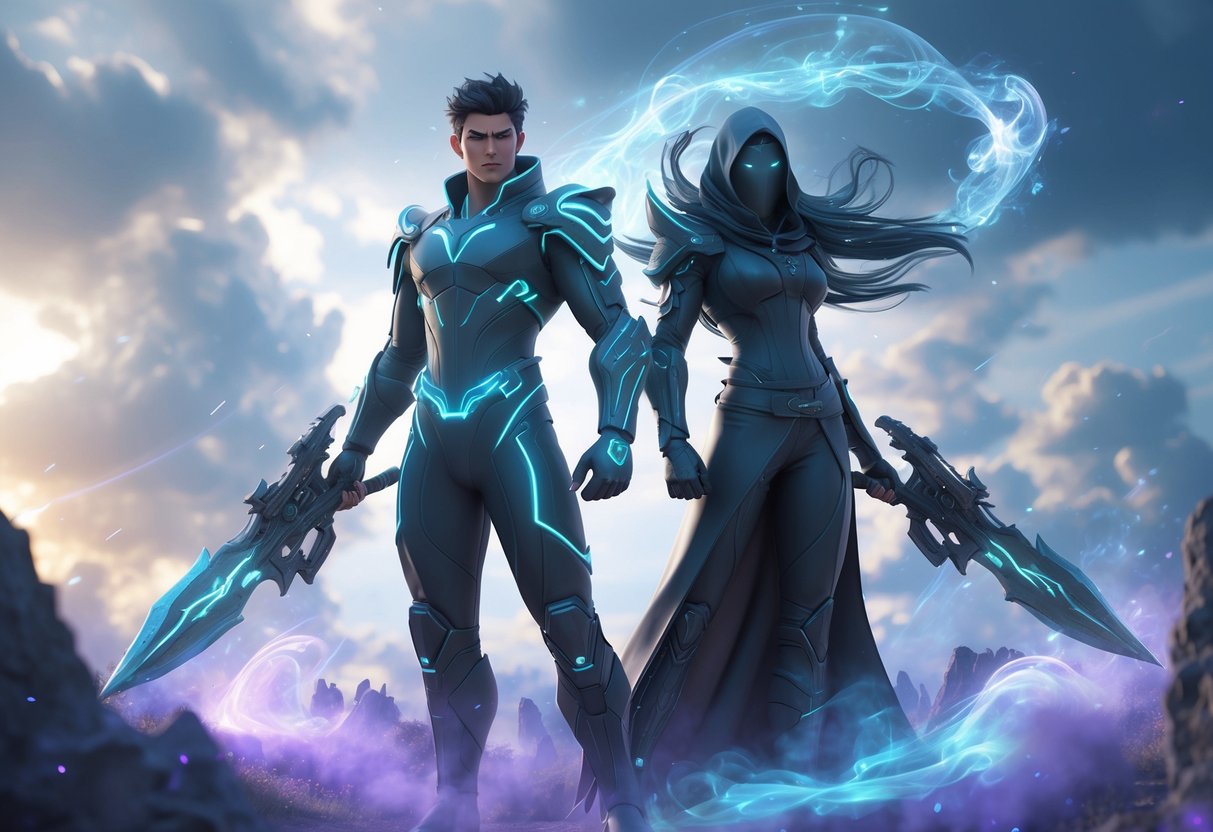
Seven is all about Lightning Ball poke and Static Charge crowd control. Haze shines with Sleep Dagger setups and sneaky Smoke escapes.
These two make it easy for new players to focus on game basics instead of juggling a million spells.
Lightning Ball and Static Charge Tactics
Lightning Ball is Seven’s main poke. I really like using it for farming and harassing from a safe distance.
The ball flies straight and hits everything in its path. It slows down when it connects, which sets up other abilities nicely.
Static Charge works best right after you land Lightning Ball. Target an enemy, wait for that slight delay, and then it stuns everything nearby.
Easy combo:
- Hit Lightning Ball on an enemy
- Follow up with Static Charge
- Move in while they’re stunned
- Fire your weapon
This combo does great damage and keeps enemies stuck. The stun gives you time to reposition or just bail if things get dicey.
Practice the timing in bot matches. Lots of beginners use Static Charge too soon and waste the stun.
Storm Cloud Ultimate Usage
Storm Cloud turns Seven into a mobile AoE threat. I like to pop it in team fights to split up enemies and control big chunks of the map.
The storm expands and ramps up damage the longer it’s out. Try to use it around chokepoints or objectives for max value.
Where to use it:
- Near stairs or tight corridors
- Stay on the move to chase anyone running
- Use cover so you don’t get focused down
Don’t waste Storm Cloud when you’re alone. It really shines with teammates backing you up.
Save it for big fights, not solo picks. The cooldown’s long, so you want every cast to count.
Sleep Dagger and Smoke On Haze
Sleep Dagger is Haze’s main engage tool. Toss it at enemies to start a fight or get away clean.
It puts targets to sleep for a few seconds. If you or your team hit them, it wakes them up, so try to coordinate for max effect.
Use Sleep Dagger to:
- Stop someone from escaping
- Interrupt channels
- Set up 1v1 fights
Smoke is great for mobility and staying safe. Use it when you’re getting focused or while rotating.
It gives you invisibility and a speed boost. You can reposition, escape ganks, or sneak up for a flank.
Mix both for strong plays. Sleep Dagger someone, use Smoke to close in, then unload your damage before they wake up.
Introductory Items and Power-Ups

Getting the right items early really makes a difference in your first Deadlock matches. Smart shopping boosts your hero’s strengths and covers basic needs like healing and defense.
Choosing the Right Starting Items
You’ll want your weapon items to match your hero type right from the start. Bullet-based heroes like Haze and Wraith really shine with simple damage upgrades that just boost their shooting.
Spirit heroes—think Bebop or Seven—thrive when you pick items that amp up their ability damage. Try to grab starter gear that lowers cooldowns or gives you more spirit power.
Vitality items help every hero type, no exceptions. If you’re new, go for health and armor early. That extra survivability makes a huge difference in those first skirmishes.
Make sure you’re matching your items to your lane role. If you’re in lanes 2 or 4, you’ll face more opponents, so defensive gear is crucial. Solo laners at 1 and 3 can lean into damage a bit more.
Don’t rush for expensive stuff right away. Start with cheap items and build up your power step by step. Small boosts help you farm and keep you alive, trust me.
Recommended Power-Ups and Boosts
Catalyst is just fantastic early on if you’re playing spirit-based heroes. It bumps up your ability damage and lets you clear creeps in your lane way faster.
Afterburn is perfect for bullet heroes who want to chase or get out of sticky situations. That speed boost can totally change your positioning in a fight.
You’ll find runes scattered around the map—these give you temporary power-ups. Grab them when it’s safe; that short-term edge can flip a fight.
Treasure chests drop random rewards like souls and buffs. Only open them when your team controls the area and you’ve got backup.
When you destroy slot machines, your whole team gets resources. Target these during quieter moments between big fights. The whole squad benefits and can buy stronger items.
Healing and Defensive Purchases
If you’re just starting out, make Healing Rite your first purchase. It’s a reliable way to stay in lane longer without running back to base.
Use Healing Rite between fights, not in the middle of combat. It takes a moment to kick in, so look for safe spots before you pop it.
Buy armor items early if you’re up against a lot of bullet heroes. They cut down on incoming bullet damage and keep you in the game.
Pick up magic resistance when the enemy team has tough spirit heroes like Dynamo or Lady Geist. It’ll help you shrug off ability damage.
Health regeneration items are great for heroes who brawl a lot or take chip damage. You’ll heal up over time, which is super handy in drawn-out fights.
Balance healing and defense based on how you play. If you’re aggressive, you’ll want more healing. If you play it safe, damage reduction is your friend.
Control and Area Management Tips
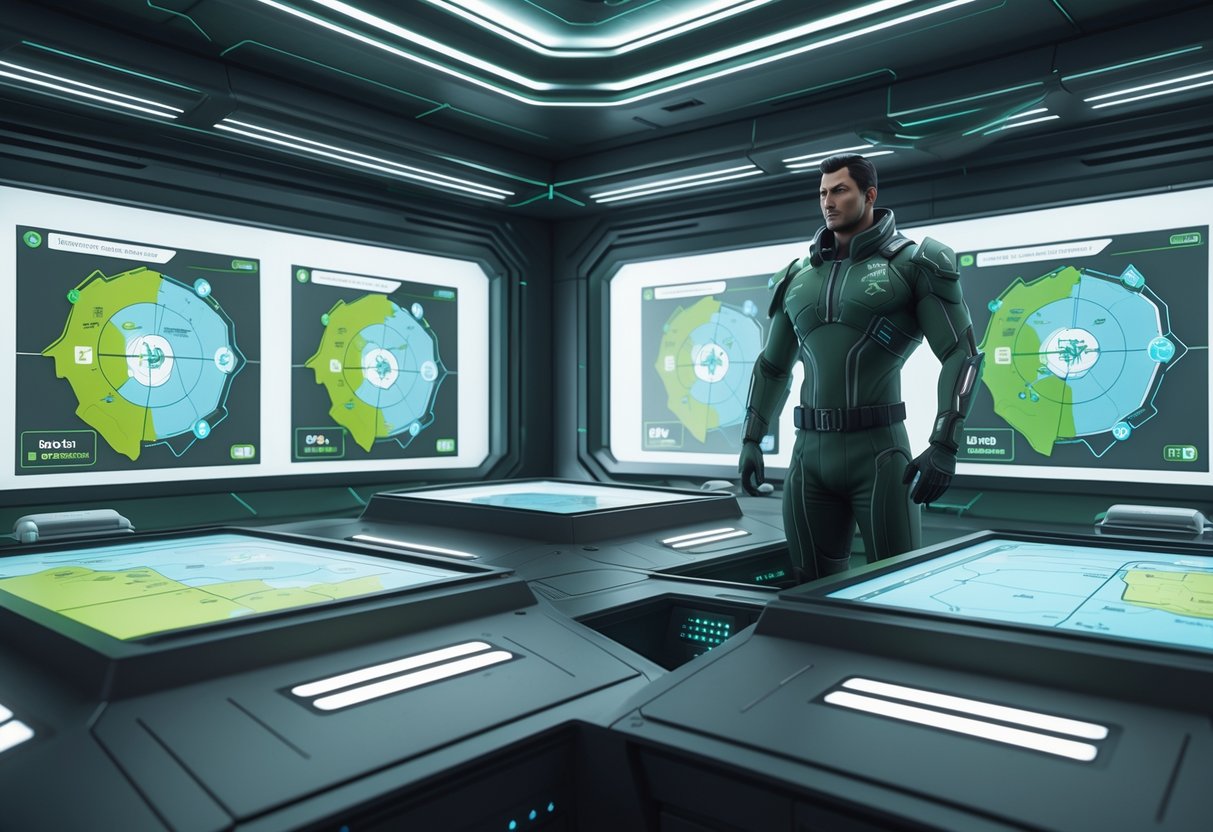
When you master control mechanics, your Deadlock matches shift from chaos to real strategy. McGinnis’ turrets set up nasty defensive zones, and crowd control abilities help your team own the map.
Turret Placement and Utility With McGinnis
McGinnis truly stands out as the best area control hero for beginners. Her turrets automatically target enemies, so you can focus elsewhere and still keep lane pressure high.
Drop turrets near trooper waves during laning. You’ll get easy last-hits, and enemies have to choose between breaking your turret or eating damage. Try to hide them behind cover.
During team fights, set turrets at choke points. Those narrow paths and bridges become nightmares for the enemy if you’ve got turrets watching them.
Spread out your turrets at different angles. That way, enemies can’t just hide behind one wall to dodge everything. Keep them far enough apart so a single area attack doesn’t wipe them all out.
Before objective fights, get your turrets down early. Surround Soul Urns or hot spots before the enemy shows up. It gives your team a solid edge when the fight breaks out.
Don’t forget, turrets start out pretty fragile. Upgrade your turret skill as the match goes on to make them tougher and more dangerous.
Crowd Control Fundamentals For Teams
Crowd control abilities can swing team fights if you time them right. Landing stuns, sleeps, or pulls at the perfect moment can turn a disaster into a win.
Chain your crowd control with teammates. If Bebop lands a hook, follow up right away with Haze’s sleep or Seven’s stun. Don’t give enemies a window to escape.
Save your longest disables for the biggest threats. Focus on enemy carries or healers during fights. One well-timed stun on their main damage dealer can change everything.
Don’t stack crowd control on someone already disabled. Check what your teammates are doing before you use your own. Doubling up wastes precious cooldowns.
Position yourself before casting crowd control. Most of these skills have a cast time or root you in place. Get caught channeling and you’re toast.
Tell your team when your crowd control is up. Use voice or pings so teammates can jump in. This gets even more important in late-game fights.
Important Advanced Tips for Newcomers
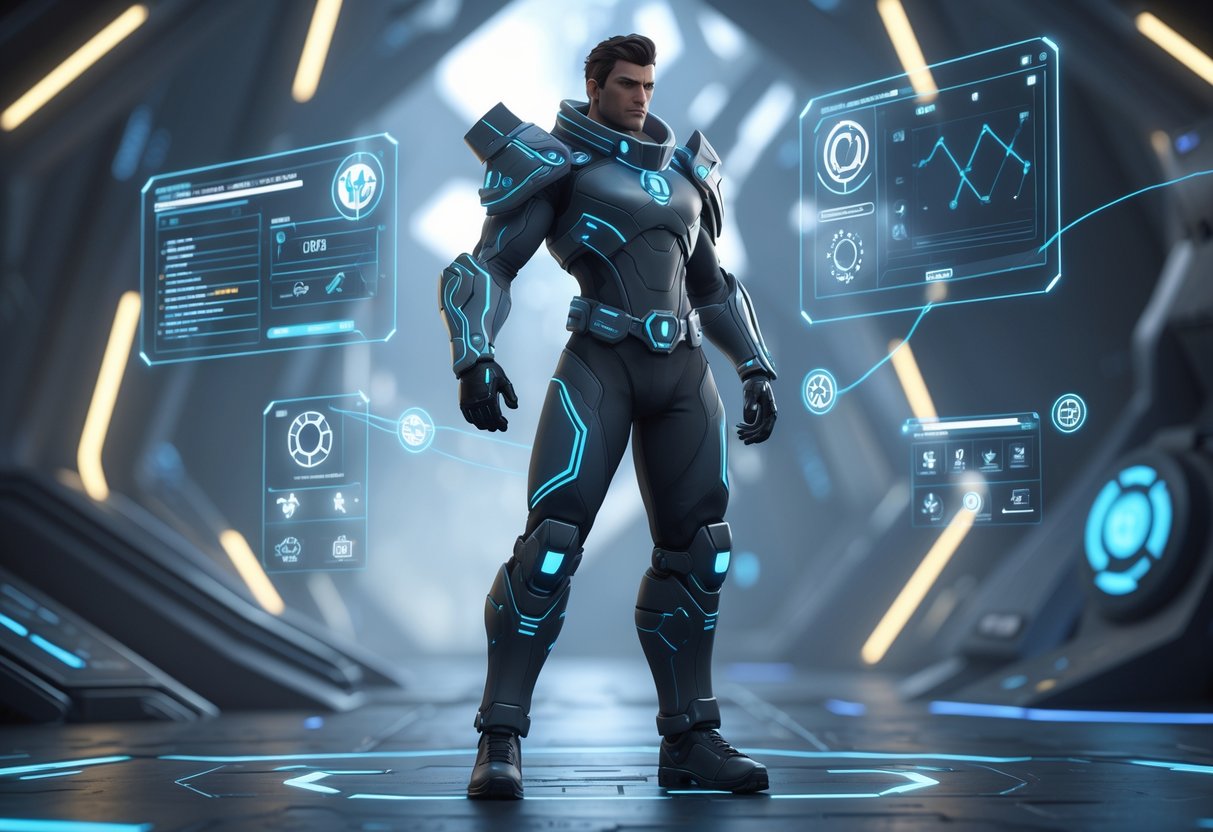
These tips will help you make smarter choices and play better with your team. Good positioning, syncing abilities, and adjusting your strategy keep you sharp as you improve.
Positioning and Awareness
Map awareness is what separates solid players from the rest. Glance at your minimap every few seconds to keep tabs on enemy movements and missing heroes.
Stick to cover when you can. Deadlock’s third-person view lets you peek around corners without exposing yourself. Use walls and objects to stay safe.
Positioning depends on your hero:
- Bullet heroes like Haze and Vindicta do best at medium range.
- Spirit heroes like Bebop need to be close enough for combos.
- Hybrid heroes can flex, but don’t get too greedy.
Watch out for ganks—when two or more enemies gang up on you. If you notice enemies missing from other lanes, hang back near your Guardian or Walker towers.
Use transit lines and zip lines carefully. They’re fast, but super predictable. Enemies love to shoot you while you’re stuck on them, so only zip across when you’re sure it’s clear.
Know the popular hiding spots near jungle camps and rune spawns. Players check these all the time, so don’t hang around if you’re low on health.
Combining Abilities for Teamplay
Work with your team to chain crowd control. If someone lands a stun or slow, pile on the damage right away.
Practice your ability timing in team fights. Don’t blow all your skills at once—save something for emergencies, like a quick escape.
Spirit items like Siphon Life pair perfectly with AoE abilities. When you hit several enemies, you heal even more during the fight.
Figure out which abilities interrupt the enemy’s skills. Lots of heroes have channeling moves you can break with a stun or knockback. That can save your team or stop a nasty ultimate.
Infernal Resilience is a lifesaver in team fights. It cuts down on crowd control effects, making it easier to escape when you’re getting chain-stunned.
Stick with your team’s focus. If someone calls a target, everyone should pile on that enemy. It’s way more effective to burst down one hero than to spread damage around.
Use voice chat or pings. Call out enemy locations, warn about ganks, and coordinate your pushes. Teams that talk usually win more.
Adapting to Enemy Strategies
Figure out what the enemy team wants to do early. Are they pushing for a quick win, or stalling for late game? Change your build and playstyle to match.
If their carry is fed, stack up on Vitality items like armor or magic resist. Don’t stick to one build—adapt as needed.
Pay attention to where enemies like to move. Some players repeat the same routes or hide in familiar spots. Use that to set up ambushes or dodge ganks.
Adjust how you lane depending on your opponent. Play safe against aggressive foes, or push your advantage if they’re passive.
If your lane isn’t working out, swap with a teammate. Sometimes a new matchup is all you need. Just let your team know before moving.
Watch for patterns in team fights. Does the enemy always lead with the same hero? Do they target your backline first? Change your position once you spot these habits.
Buy situational items if you need to. Tools like Debuff Remover or Return Fire can completely counter specific enemy tactics, even if you don’t usually pick them.
Practising With Additional Beginner Heroes
Once you’ve got the basics down with heroes like Seven and McGinnis, try these three to sharpen your skills. Infernus teaches you how to play aggressively and control areas, Bebop gets you comfortable with hooks, and Grey Talon helps you master ranged combat and map awareness.
Infernus: Mobility and AoE Damage
Infernus jumps into fights fast and dishes out damage to groups. His Flame Dash lets you zip short distances and burn anyone in your way.
The trick with Infernus is knowing when to go in. Use Flame Dash to catch isolated enemies or bail out when things get hairy. Don’t dash into the whole enemy team unless you’re sure you’ve got backup.
Quick Infernus Tips:
- Start fights with flame attacks to stack burn damage.
- Flame Dash through minion waves to clear them fast.
- Stay near walls for quick escapes.
- Drop your ultimate when enemies bunch up.
Try out Flame Dash timing in bot games first. It’s easy to get too aggressive and end up out of position.
Aim to hit as many enemies as possible with your AoE skills. That’ll boost your damage and help your team win big fights.
Bebop: Hook Mechanics for Playmaking
Bebop’s hook can totally change a fight if you land it. Pulling key enemies out of position can win the whole game for your team.
Start by practicing your hook on minions and jungle creeps. The hook has a bit of a delay, so you need to predict where enemies are going, not just where they are.
Best Hook Targets:
- Supports hiding in the back.
- Snipers up on high ground.
- Low-health enemies running away.
- Enemies near cliffs or hazards.
If you land a hook, throw your bomb right after. Pull them in, slap on a bomb, and you’re guaranteed some solid damage.
Don’t bother hooking tanky frontliners unless they’re about to die. Focus on squishy damage dealers and supports who can’t survive being grabbed.
You can even use your hook to save teammates. Pull them out of danger if your timing and communication are on point.
Grey Talon: Ranged Tactics and Trapping
Grey Talon is great for learning ranged combat, and his traps give you solid map control. His charged shots pay off if you’re patient and pick your spots.
Stick to high ground when you can. You’ll see more and be harder to reach. Always have an escape plan before you commit.
Where to Place Traps:
- Jungle entrances to catch rotations.
- Behind cover where enemies might retreat.
- Around objectives like shrines and Urns.
- In tight chokepoints.
Charged shots hit way harder than regular ones. Take a second to line up shots on slow or stationary targets.
Kite enemies by backing up while shooting. Stay at your ideal range and keep up the pressure. Use movement skills to keep melee heroes at bay.
Tell your team where you’ve put traps. If they know, they can lead enemies right into them.
Getting Started: Next Steps in Deadlock Mastery
Once you’re comfortable with Deadlock’s basics, focus on teamwork, combining abilities, and finding builds that fit your style. These fundamentals will turn your raw skills into real strategy as you keep climbing.
Experimenting With Team Compositions
Team composition in Deadlock really shapes whether your squad can secure objectives or just fall apart under pressure. It’s usually best to start with lineups that mix damage dealers, support heroes, and tanky frontline characters.
Strong beginner compositions often include:
- A hero with solid healing (think McGinnis)
- Two heroes focused on damage for taking out enemies
- A support hero who brings some crowd control
- Two heroes who can soak up damage
When you’re experimenting, communication matters a lot. Hop on voice chat and try to line up your ultimate ability with your teammates. Teams often win big fights when several ultimates land at once.
Try out different hero combinations in bot matches first. This way, you can test what works without the stress of ranked games.
Notice which heroes naturally fit your playstyle. Sometimes, you just click with certain characters.
Warning: Don’t stack your team with too many squishy heroes. If you skip a strong frontline, aggressive opponents will dive your backline and make life miserable.
Trying New Abilities
Every Deadlock hero has four unique abilities mapped to keys 1-4. Learning how to weave them together really sets great players apart.
Practice catalyst timing in training mode before you try tricky combos in real matches. Most abilities get a lot stronger when you chain them together.
Essential ability practice steps:
- Learn the cooldowns for each ability
- Try out basic two-ability combos
- Work on positioning for your ultimate ability
- Play around with ability upgrades from the shop
Stick to one new combo per match. Trying to master everything at once just doesn’t work as well.
Different situations call for different priorities. Use mobility abilities to escape ganks, crowd control to set up kills, and damage abilities to finish off opponents.
Quick win: Spend five minutes in practice mode before each session. Just focus on one combo. Over time, this habit builds real mastery.
Adapting Builds to Playstyle
Deadlock’s item system gives you a ton of room to play how you like. If you’re aggressive, grab damage and mobility upgrades. Defensive players should lean into healing and survivability.
Build adaptation guidelines:
- Aggressive: Boost weapon damage, fire rate, and movement speed
- Support: Stack healing items, cooldown reduction, and team buffs
- Tank: Go for health, damage reduction, and crowd control
Watch how your matches go. If you keep dying, pick up more defensive items. If you can’t secure kills, start stacking damage.
As matches go on, you’ll need to tweak your build. Against heavy magic damage, grab spirit resistance. If the enemy team is all physical, get bulletproof items.
Common mistake: A lot of beginners just stick to one build, no matter what the enemy team composition looks like. Changing up your purchases based on what you’re facing can seriously boost your win rate.
Frequently Asked Questions

New Deadlock players often get tripped up by hero selection, item builds, and basic gameplay mechanics. Here are some of the questions you’ll probably run into when you’re starting out.
What are the essential basics I should know when starting out in Deadlock?
Deadlock is a 6v6 third-person shooter MOBA with four lanes. Your main goal is to destroy the enemy base and defend your own.
You’ll need to farm souls, upgrade abilities, and buy items in every match. Killing creeps in the lanes or jungle camps gives you souls.
The map splits into four lanes, numbered 1-4. Lanes 2 and 4 get two players each, while 1 and 3 have just one.
Get comfortable with the basic controls right away. You can shoot, melee, dash, and use your abilities.
Movement options include zip lines, climbing ropes, and teleporters. Don’t skip practicing those.
Quick win: Try last-hitting creeps in the tutorial mode. It’s a simple thing, but it really affects your gold income.
How do I select the right hero for my playstyle in Deadlock?
Heroes break down into three main types: Bullet-based, Spirit-based, and Hybrid. Each fits different playstyles and team needs.
Bullet heroes like Haze, Vindicta, and Wraith focus on weapon damage. If you like steady damage and power that builds up, give them a shot.
Spirit heroes—Bebop, Dynamo, Seven—lean on abilities. They’re great if you want burst damage and crowd control.
Hybrid heroes like Abrams, McGinnis, and Warden mix both styles. They’re nice if you want flexibility.
Warning: Don’t just pick a hero because they look cool. Try different ones in practice mode to see what feels right.
Could you offer some strategies for beginners to improve their gameplay in Deadlock?
Focus on farming souls early on. Last-hitting creeps instead of just auto-attacking helps you get more souls.
Stay in your assigned lane for the first 10 minutes. Roaming too early can leave your partner exposed and hurt your farm.
Keep an eye on the minimap so you can spot enemy movements. This helps you avoid getting ganked and makes your positioning better.
Practice using zip lines and wall climbing. Good movement really sets apart experienced players in team fights.
Talk to your team about missing enemies and objectives. Simple callouts like “enemy missing lane 2” can save lives.
What items should I focus on when I’m new to Deadlock?
Items break down into Weapon, Vitality, and Spirit categories. You get four items from each, plus a couple flex slots.
Start off with basic items that fit your hero type. Bullet heroes want weapon items, spirit heroes should pick spirit items.
Vitality items give you health and armor. Every hero needs some defense to survive team fights.
Buy items steadily as the match goes on. Don’t hoard your souls—small upgrades help right away.
Quick win: Use the recommended item builds at first. The game suggests options that fit your hero.
What are some effective hero builds for newcomers to try in Deadlock?
Haze pairs well with weapon damage items like Basic Magazine and Hunter’s Aura. Add some vitality for extra survivability.
Bebop does best with spirit power items like Mystic Shot and Burst Fire. These boost his hook and bomb skills.
Abrams needs a mix of weapon and vitality items. Build him tanky, but don’t ignore his damage.
Dynamo gets a lot out of spirit items that strengthen his ultimate. Improved Spirit and Mystic Reverb are solid picks.
Warning: Avoid copying pro builds exactly. Beginners usually need more defensive items than the pros do.
Can you share some early game tactics to help beginners get an edge in Deadlock?
Try to secure last hits on creeps for the most soul income. Time your shots so you land the killing blow.
Keep an eye on the neutral camps near your lane. Grab those for extra souls, and you’ll deny your enemies those resources too.
When you trade damage with enemy players, make it count. After you shoot, duck behind cover so you don’t eat return fire.
Talk to your lane partner and set up kills together. When you combine abilities, you usually snag eliminations that you just can’t get solo.
If you win a fight, push for objectives. Taking down guardians and walkers gives your team more flex item slots.
Know when it’s time to recall. Head back to base if you’re low on health—no need to hand out free kills to the other team.